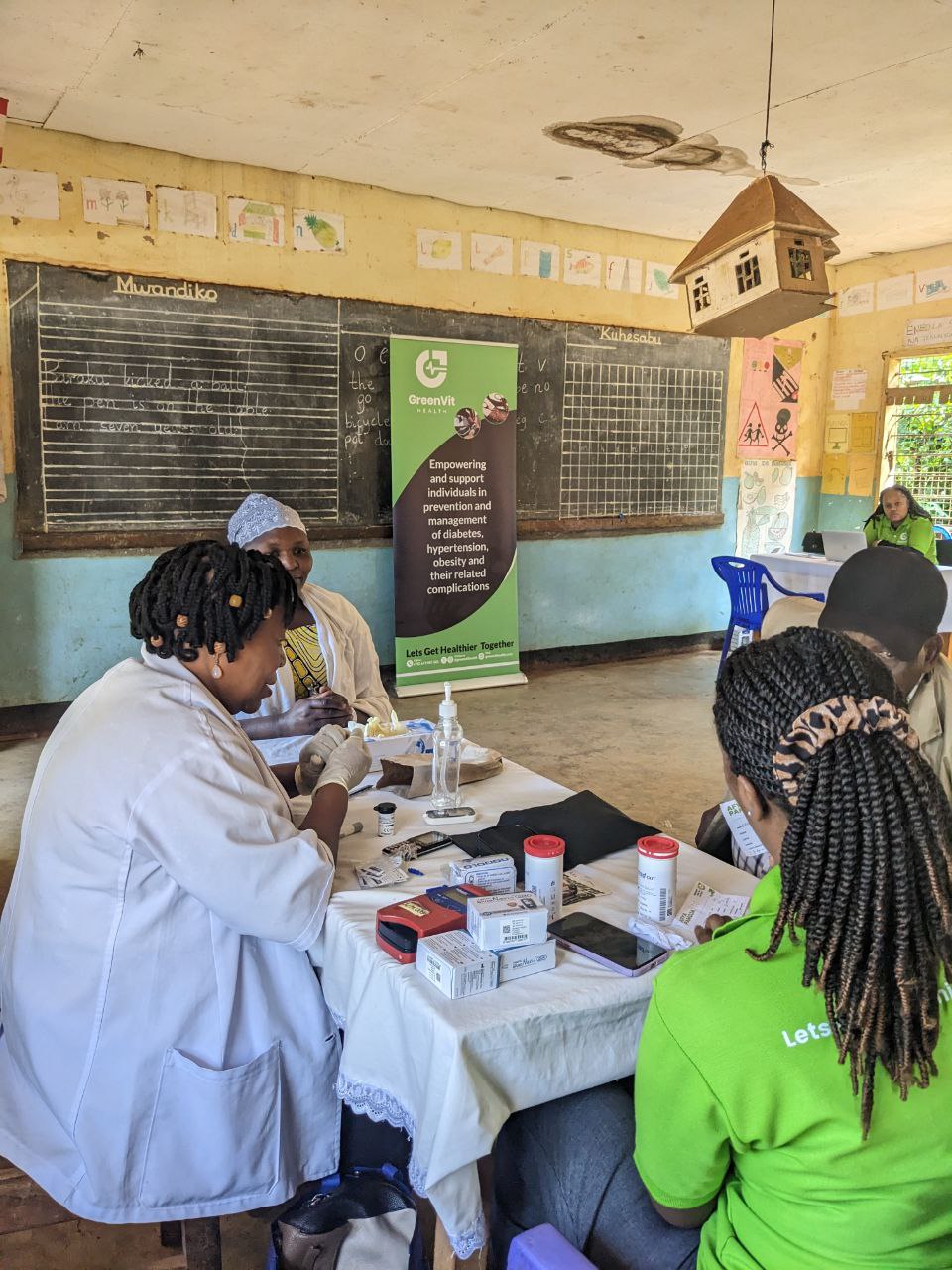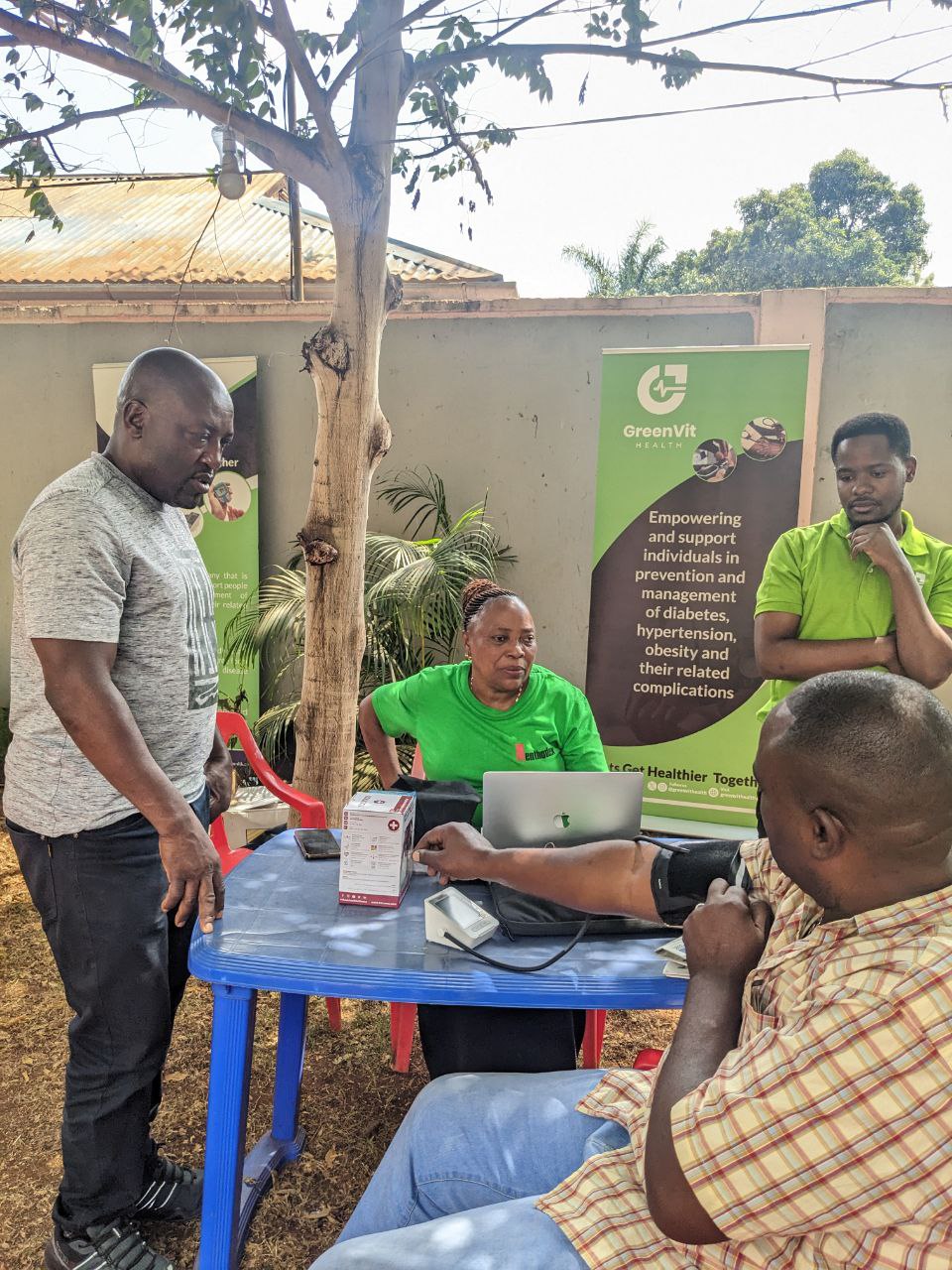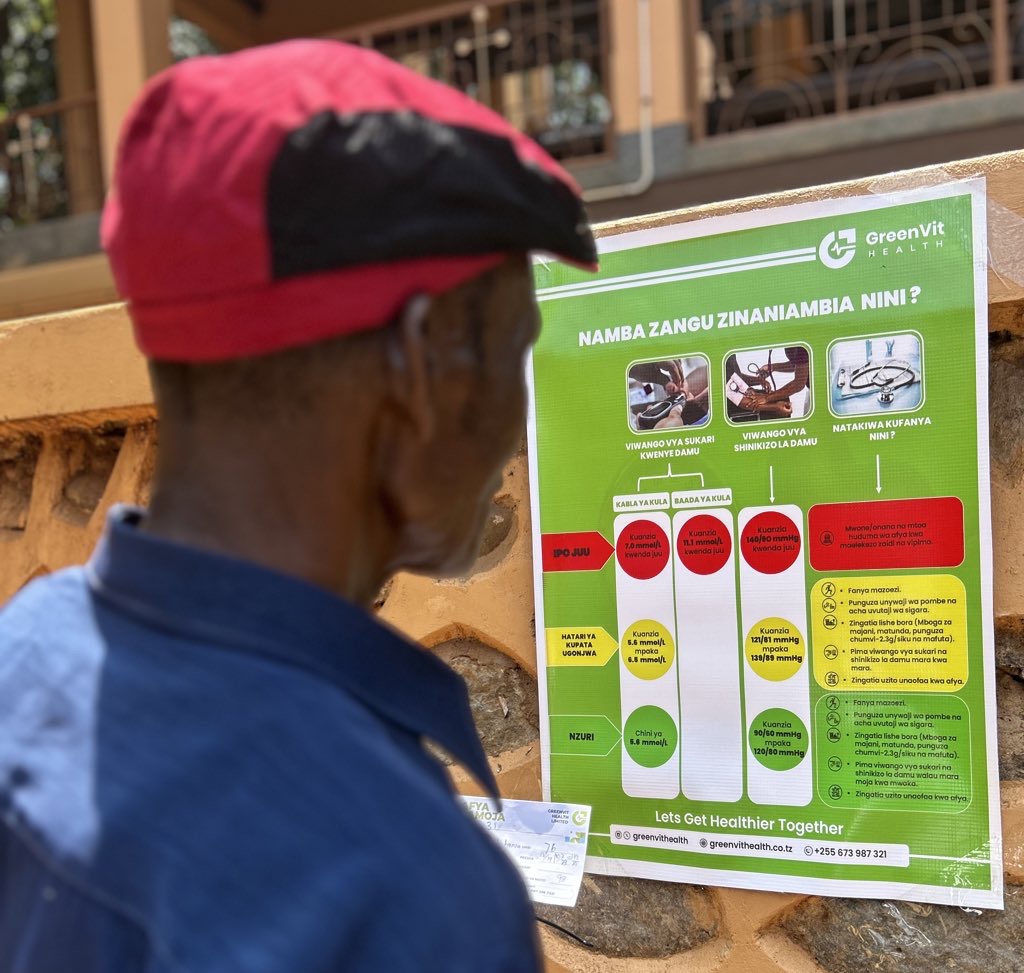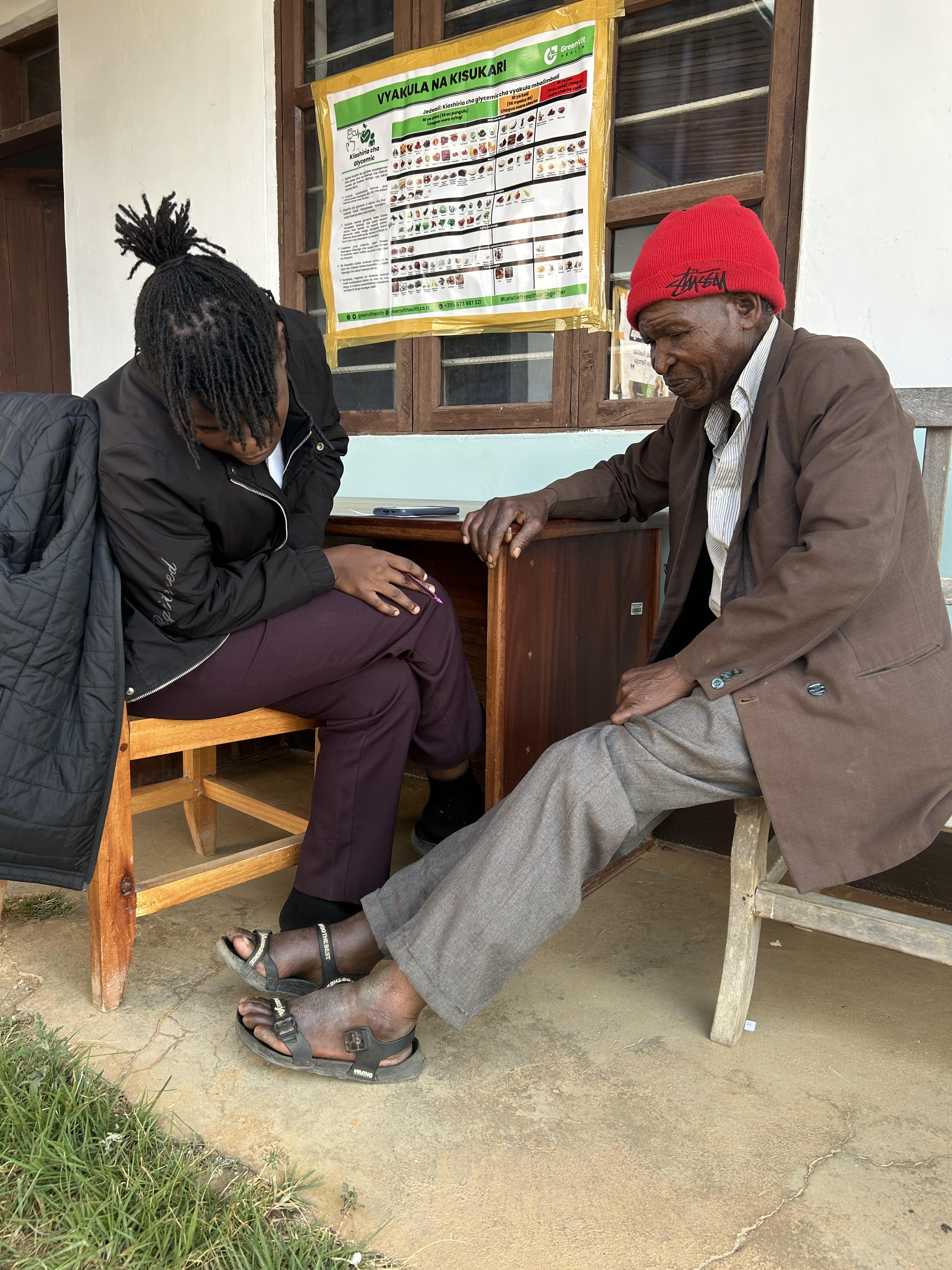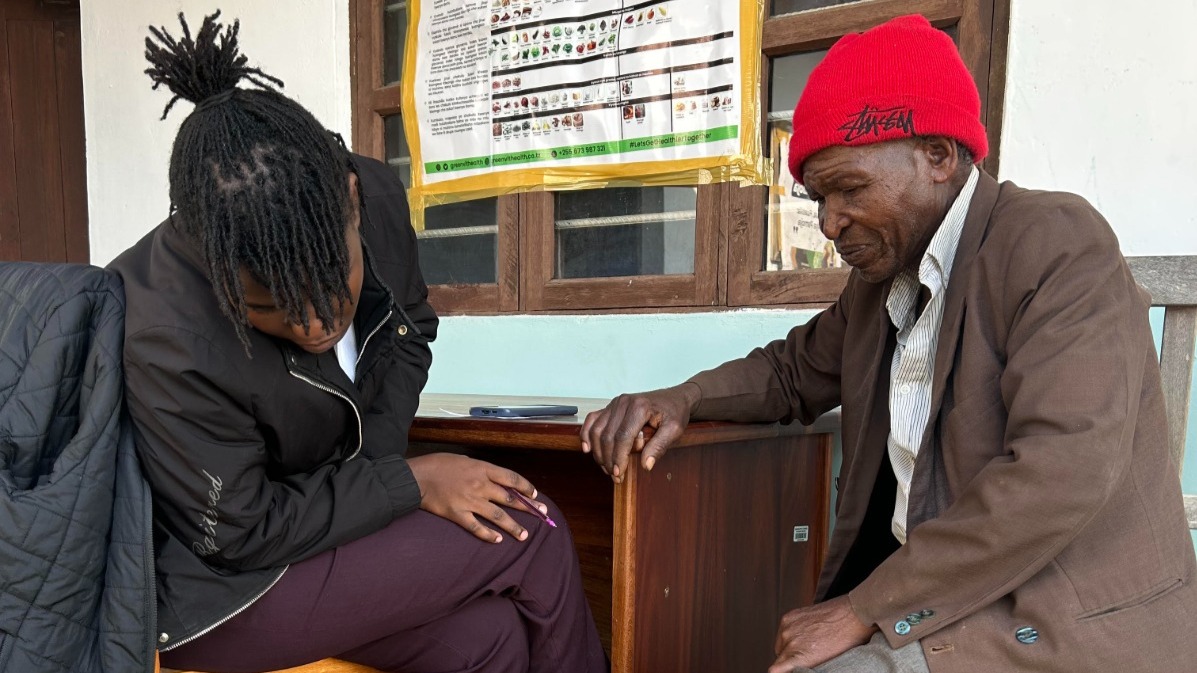
Screening plays a critical role in the early detection and prevention of diverse ailments, including chronic, non-communicable diseases (NCDs). At GreenVit Health, we focus on screening diabetes and hypertension specifically, while also educating on lifestyle modification, strengthening referral pathways and continuity of care.
There are common misconceptions that people residing in rural areas are less likely to develop such conditions. These misconceptions are often based on the assumption that rural societies consume healthy diets, less processed foods, engage in daily physical activities, such as walking and participate in labor-intensive activities, including farming. However, our experience at GreenVit Health, through the Afya Pamoja program, challenges this notion.
Through our screening events in rural neighborhoods, we have observed that people in such settings face a similar, even more, risk of developing diabetes and hypertension as those in urban settings. This is partly attributed to the surging epidemiological and lifestyle (including nutrition) transition befalling rural populations. Increasing access to motorized transport, such as boda-boda, has reduced physical activity levels, while altered dietary patterns and increased alcohol consumption behaviors are among the contributors to the rising NCD risk among rural dwellers.
Additionally, our screening events revealed a high proportion of such individuals with those conditions, highlighting a masked burden of diseases among these inhabitants. It may also reflect improved detection due to boosted screening efforts in such contexts, as traditionally the aforementioned population have been marginalized from routine screening services.