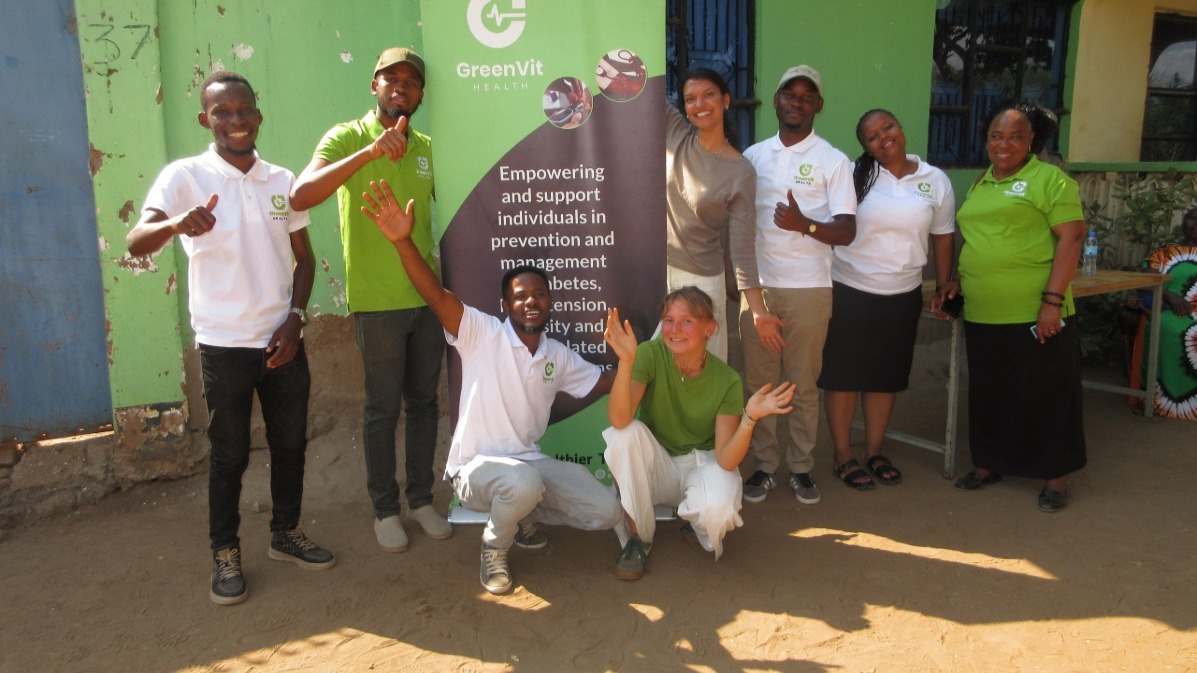
Arrived as Guests, Left as Part of the Team
The journey of two German medical students to Moshi was more than a study visit. It was an opportunity to understand Tanzania's health system, learn from health professionals, take part in community health services and build new relationships through shared experiences with the GreenVit Health team.
The start of the journey and an exceptional welcome
Kelvin carefully coordinated the preparations for our trip to Moshi, from staying in contact with us while we were travelling to receiving us, arranging comfortable accommodation for us and making us feel part of a team that cared for us. When we arrived, we were received with a hospitality that made us feel at home.
Our first day began with a visit to the GreenVit offices, where Kelvin explained the history of the organization, how it operates and its various projects. Later, Dr. Arnold took us through the health care system in Tanzania, its challenges and the place of non-communicable diseases in community health.
These discussions gave us an important foundation for understanding how different institutions and different levels of health care work together. We had the opportunity to ask questions, share our opinions and learn from the answers and discussions that followed. Throughout the whole week, we were encouraged to participate fully, contribute ideas and learn from the team's experience.
Learning about the health system through visits to health facilities
To connect what we had learned with the reality of health care delivery, we visited Pasua Health Centre accompanied by Dr. Arnold. The centre had a pleasant setting, with green vegetation and buildings serving a range of patient needs.
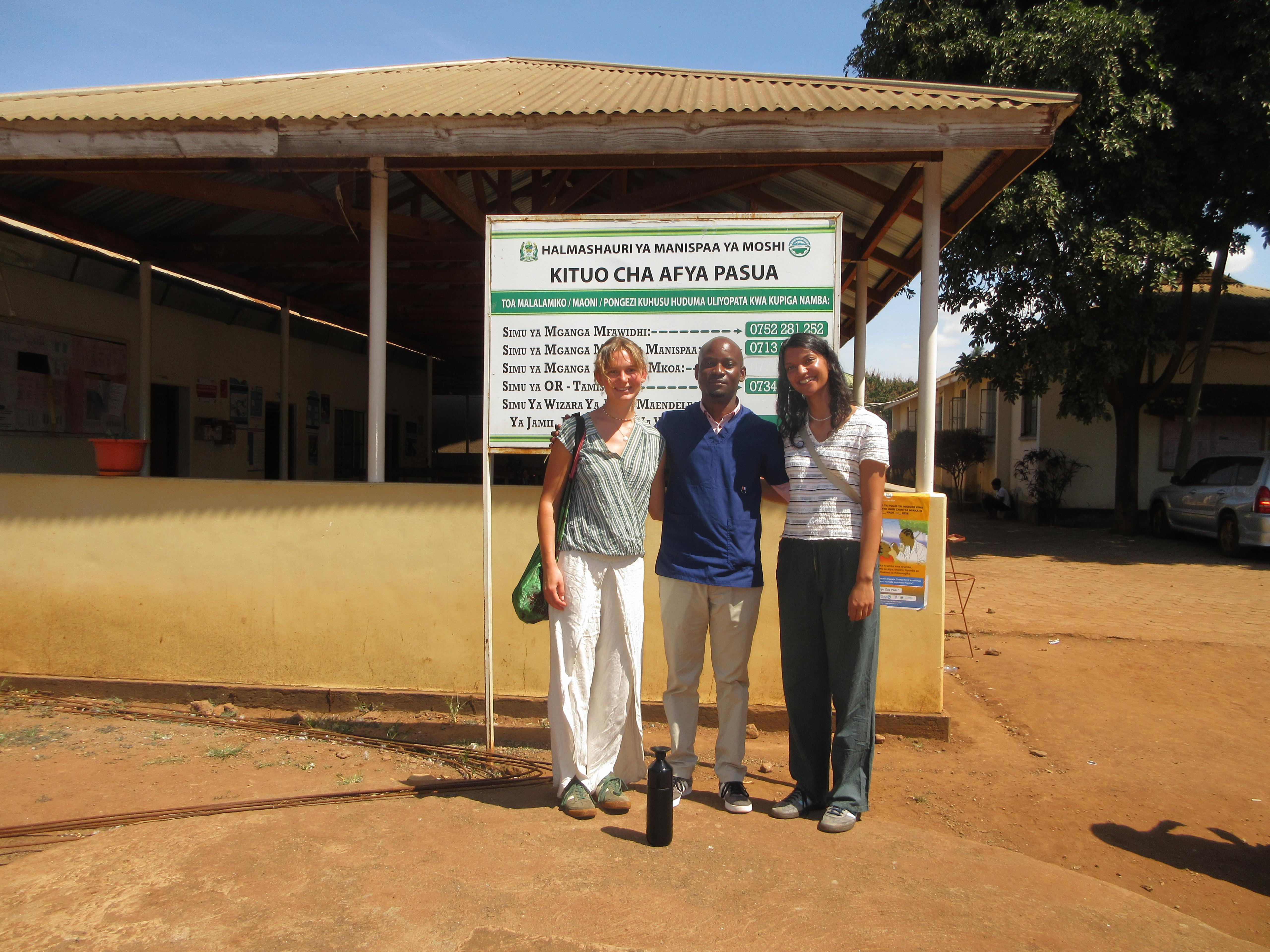
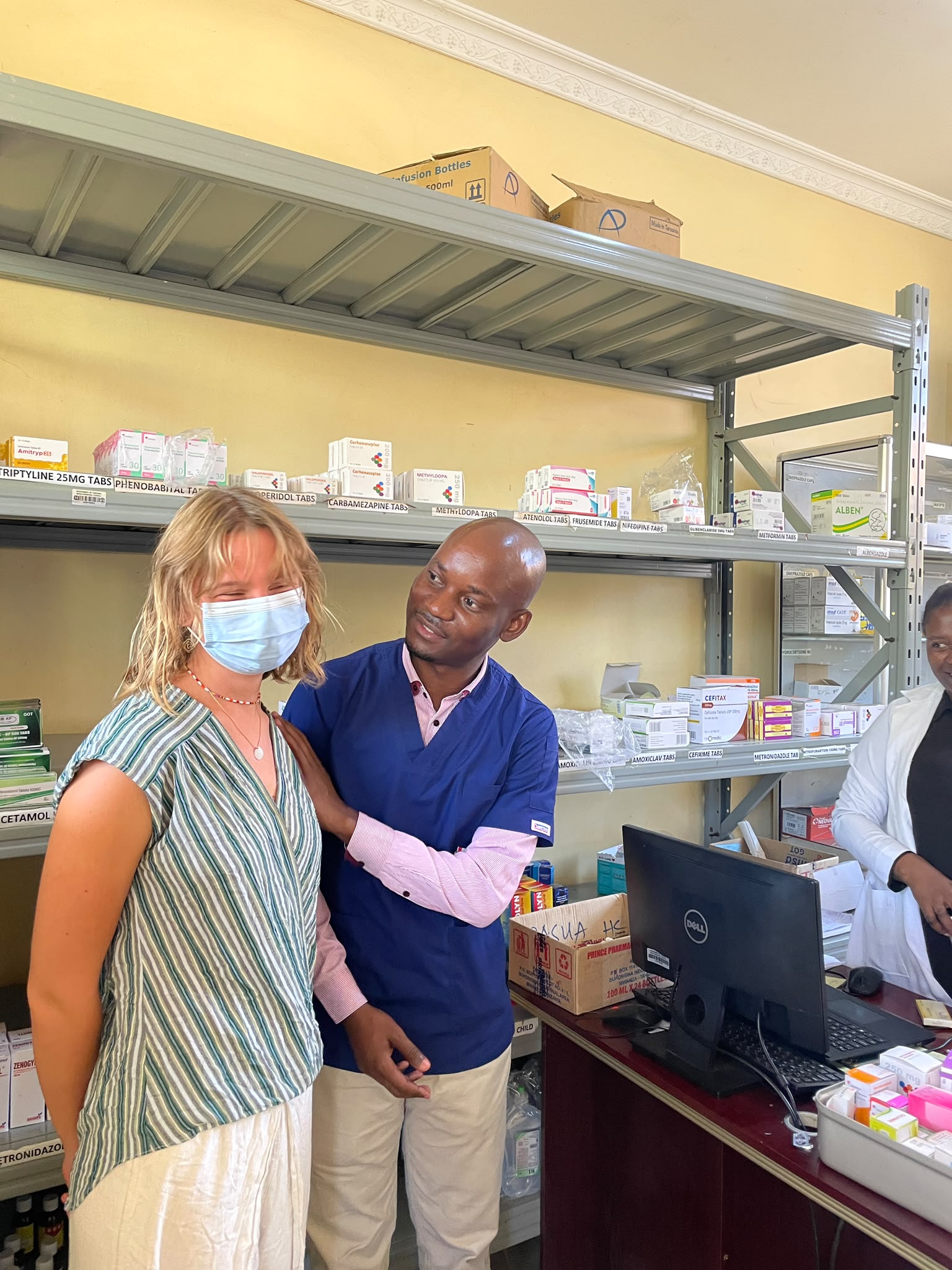
We visited several areas, including the pediatric building, the X-ray room, the pharmacy, the laboratory and the labour room. We were also introduced to some of the staff and had the chance to see for ourselves the challenges that can arise in delivering health care at that level.
Our visit continued at Kilimanjaro Christian Medical Centre (KCMC), where we gained a broader picture of the services provided at a large Zonal referral hospital. We visited various departments and wards, including eye; ear, nose and throat; emergency services; and cancer care. We also saw the cardiac unit, which was under construction at the time of our visit.

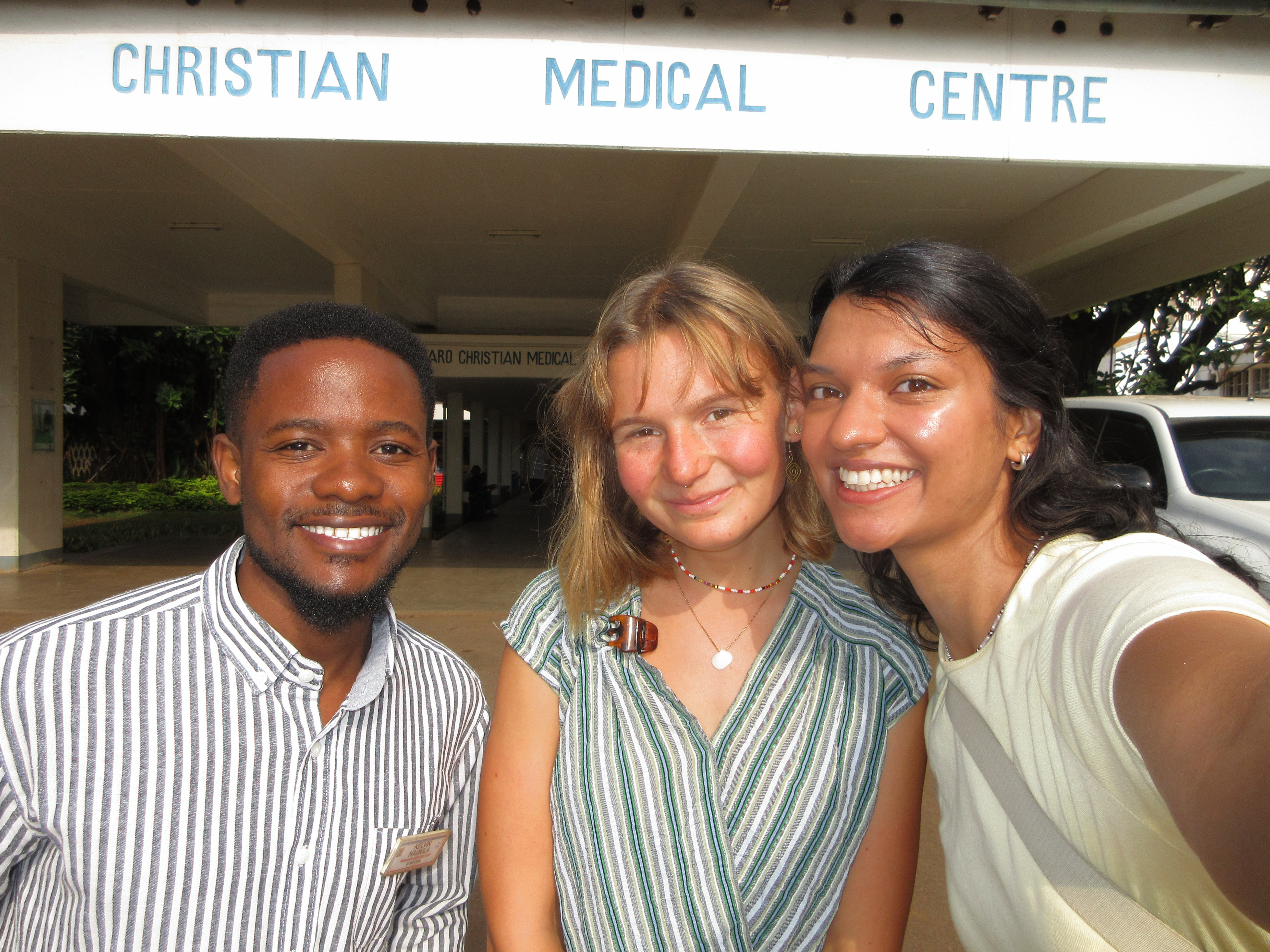
Besides visiting the service areas, we were introduced to staff and heads of various departments, and we met other international students who were training at the hospital. This experience gave us the chance to see up close the breadth of services at a referral hospital and the environment in which health professionals work.
During that visit, we also attended a lecture by Dr. Howlett on konzo disease. It was a special pleasure to learn alongside Tanzanian students and to see how a shared environment for learning and exchanging knowledge can bring together students from different parts of the world.
Afya Pamoja: Learning through community service
One of the most important events of our visit was taking part in the Afya Pamoja programme run by GreenVit Health.
The day before the event, we visited the GreenVit Health offices to prepare. We worked with the team to get the equipment, forms and other supplies ready, to make sure the services could be delivered in an orderly way.
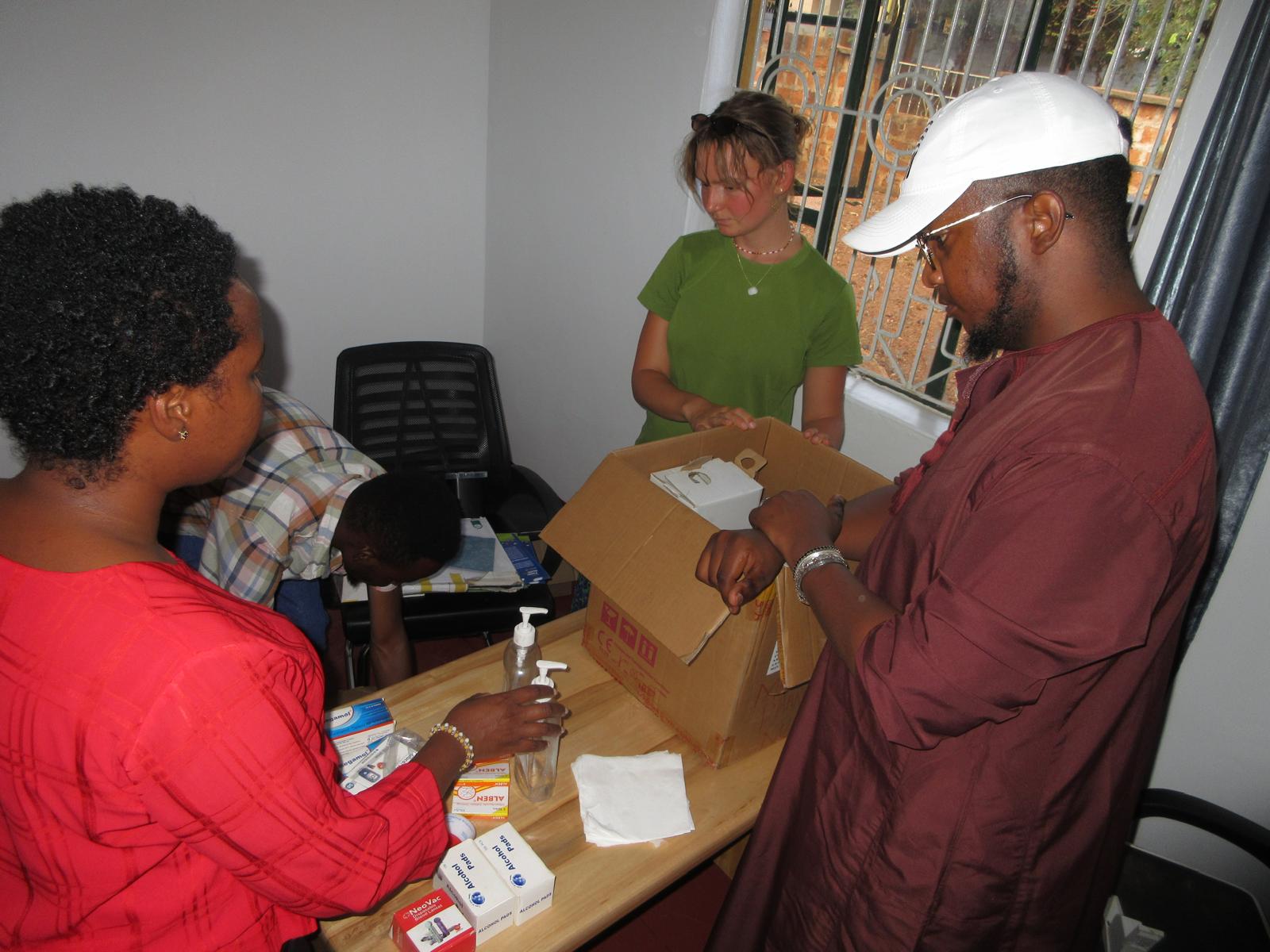
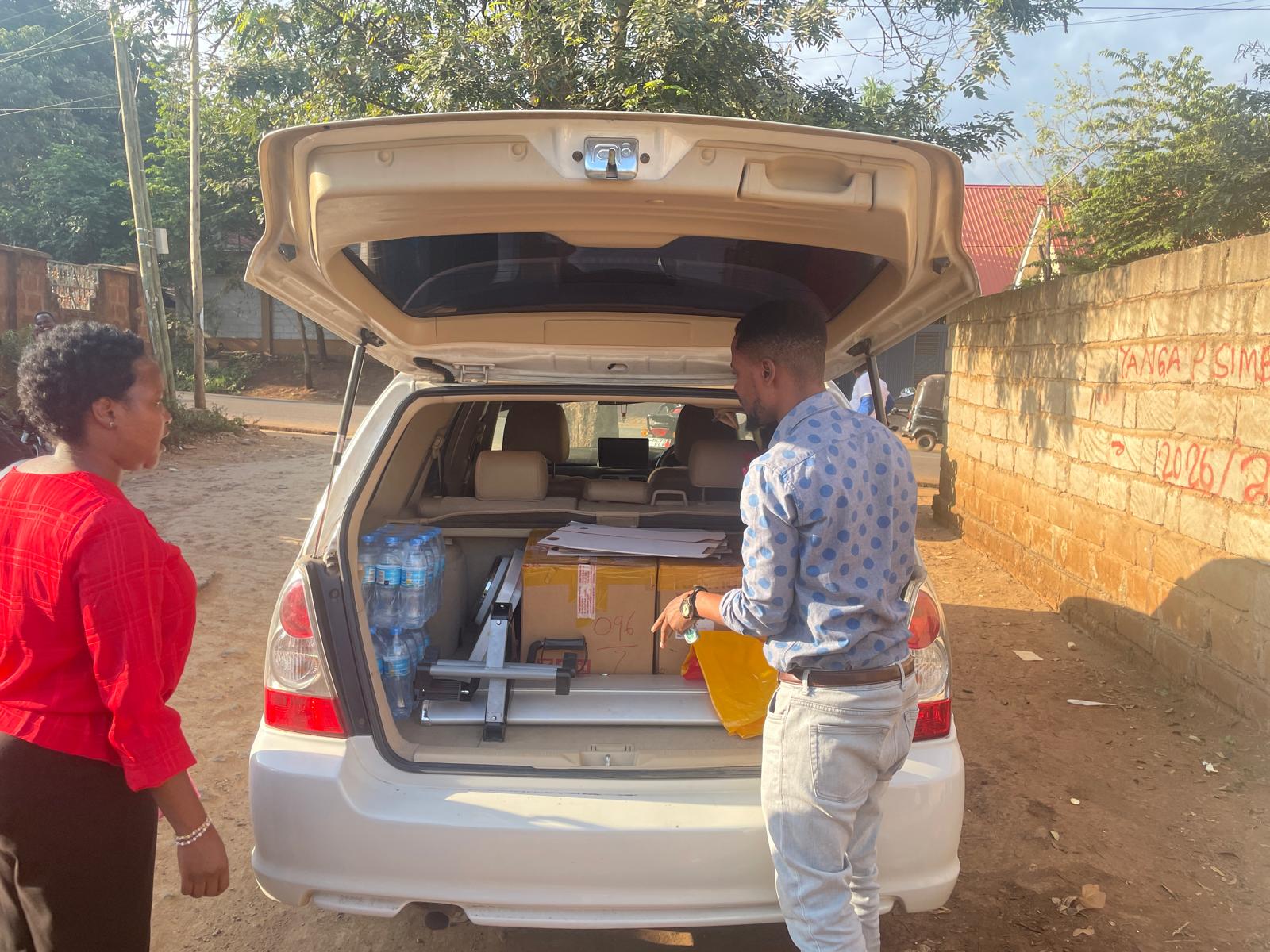
On the day of the event, we travelled to a village in Moshi where the Afya Pamoja services were being provided. The activity began with an introduction by Kelvin and a prayer, followed by registration of the participants and the start of the screening.
We took part in measuring blood pressure, while working alongside the doctors present in serving community members. Blood pressure was measured twice. Afterwards, participants were directed to have their blood sugar, height and weight measured. These services were carried out by members of the GreenVit Health team, including Grace (Mama Chitema) and Goodluck.
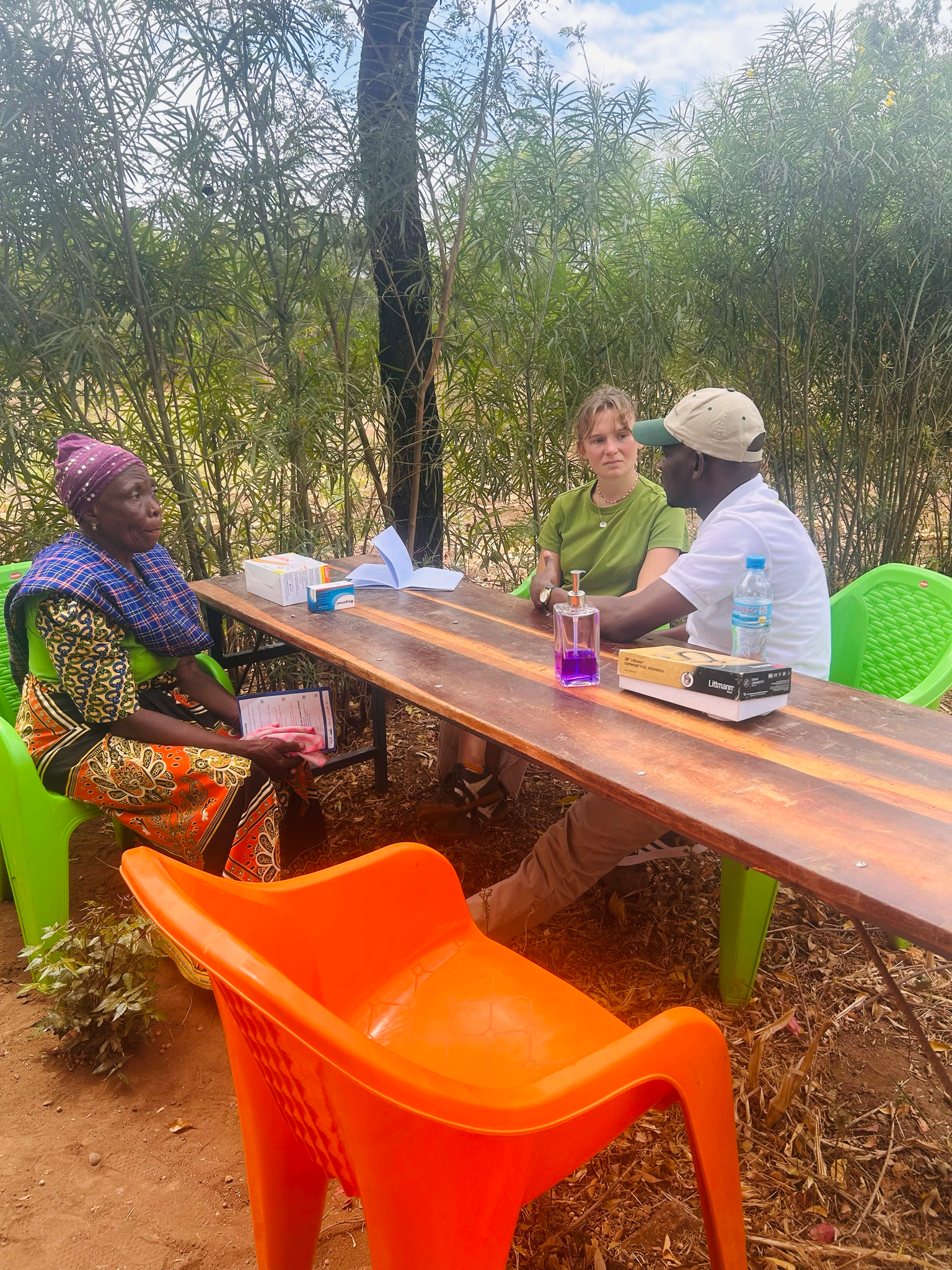

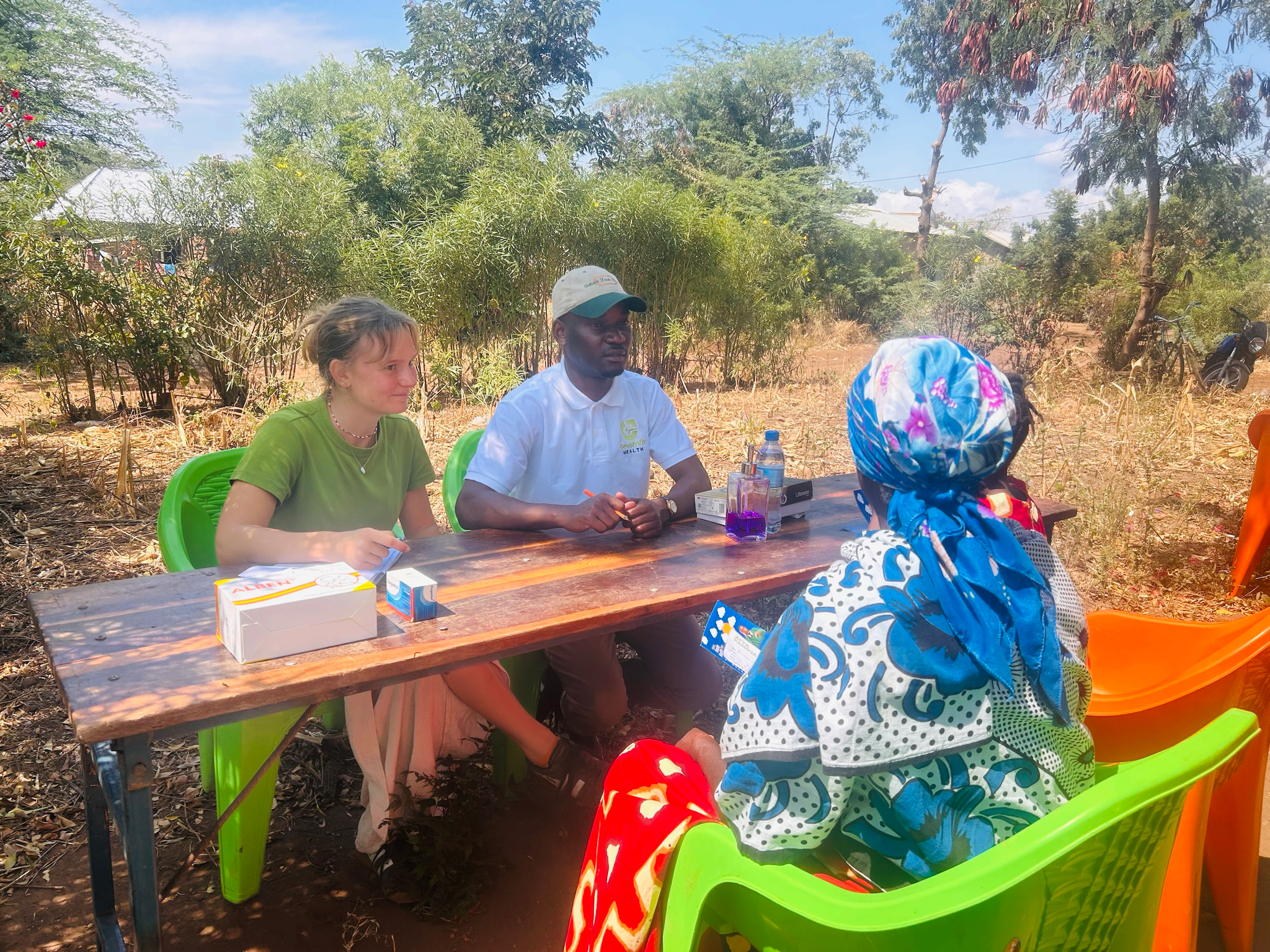
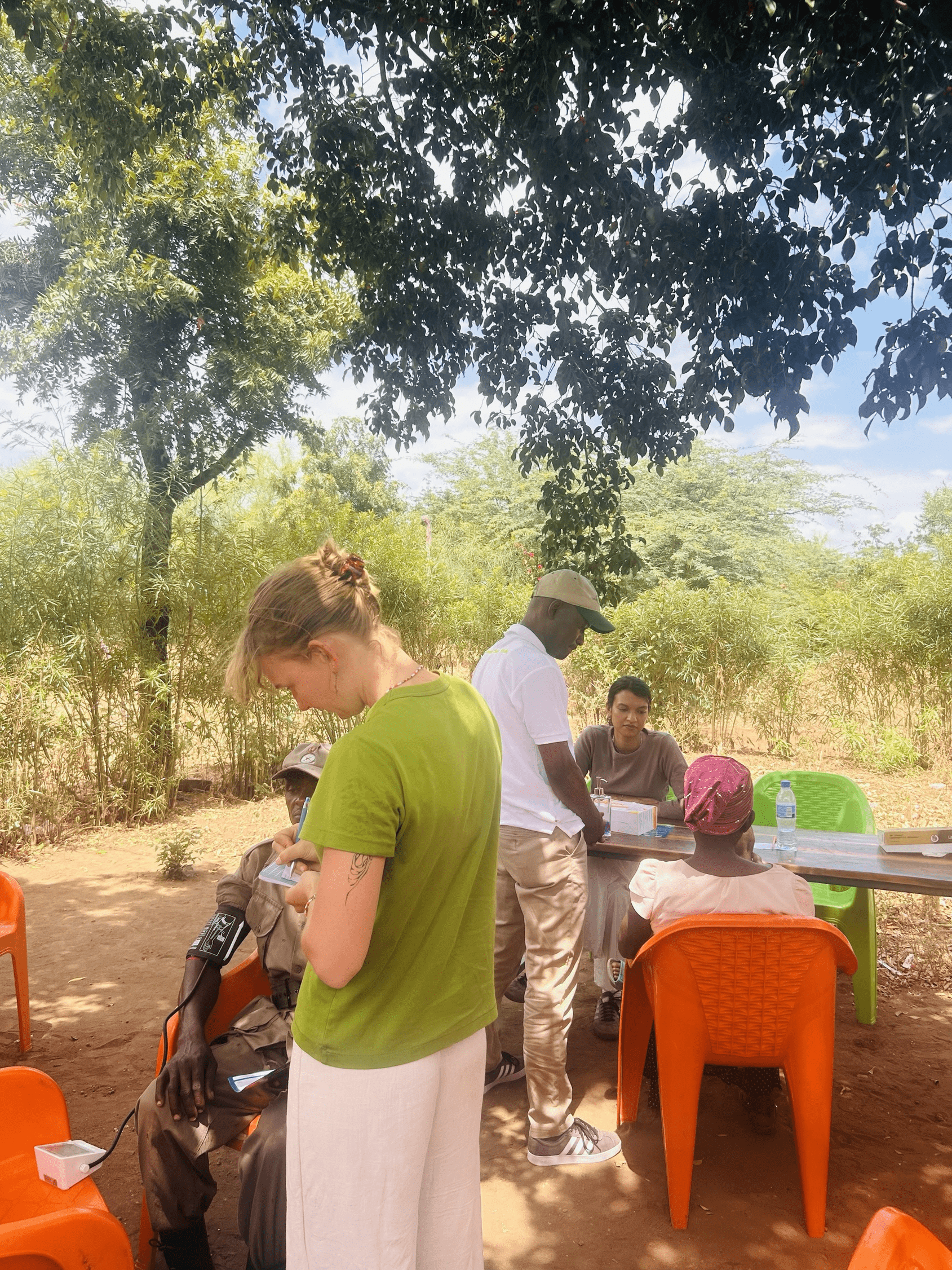
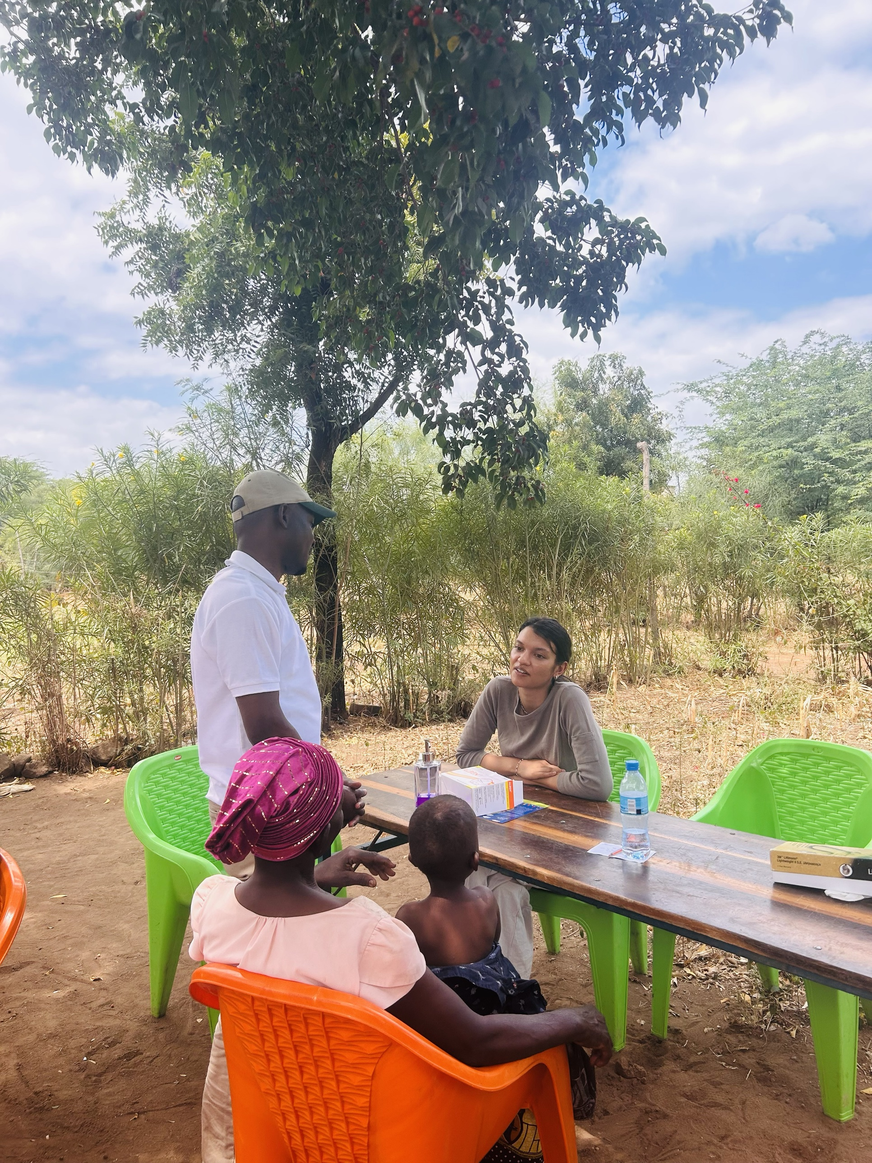
After the initial measurements, Dr. Arnold and Dr. Pankras attended to the clients, provided the treatment that was needed and referred some of them for further care where necessary.
The Afya Pamoja services did not stop at screening and treatment alone. Jessica gave education on good dietary habits, while Kelvin provided health education to the participants and answered their questions. Another interesting aspect was involving community members in learning how to measure blood pressure. They had the chance to use the devices themselves and were later given the devices so that they could continue using them.
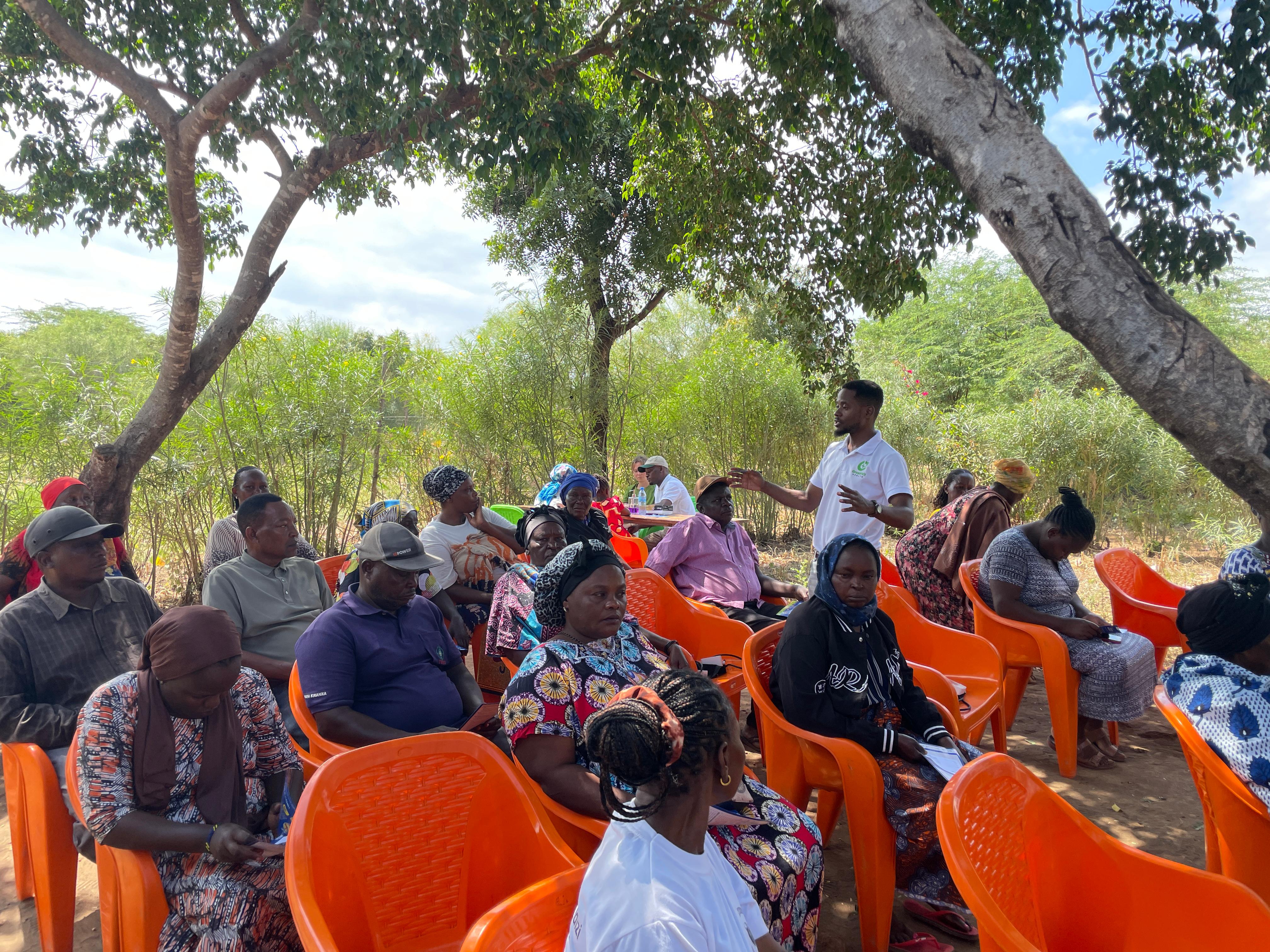
For us, this was one of the most meaningful parts of our visit. Seeing for ourselves how community members received care, and seeing some people with high blood pressure levels, made us reflect more deeply on the importance of a program like this.
We understood that Afya Pamoja is not only about screening and detecting health problems early, but also about giving people the knowledge and ability to take part in protecting their own health. Health education, regular screening and early action all play an important role in preventing or reducing the harm caused by non-communicable diseases.
In our conversations, Dr. Arnold emphasized the importance of investing in prevention, especially in low-resource settings where treating health problems can be very challenging. He also explained the importance of prioritizing the prevention and control of non-communicable diseases in current health care systems.
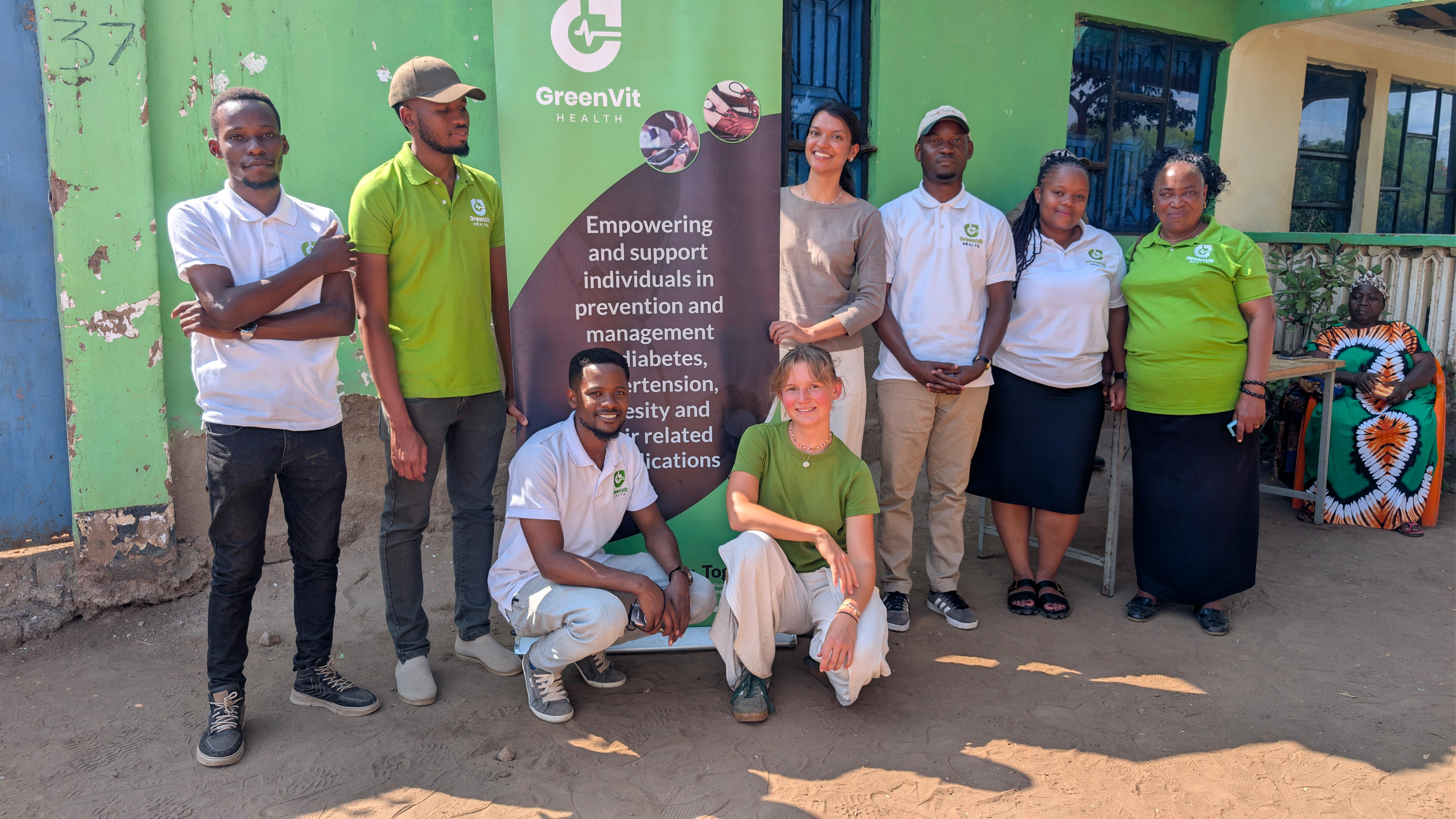
This experience showed us in practice how community health services can bring together early screening, health education and community participation. Although the day was long and tiring, we left having gained new knowledge and a broader understanding of the work GreenVit Health does.
Beyond learning: Enjoying Moshi and building relationships
Apart from the academic activities, our trip gave us the chance to get to know Moshi and enjoy its scenery. We visited the hot springs, where we enjoyed the natural scenery, saw the fish, swam and relaxed after busy days.
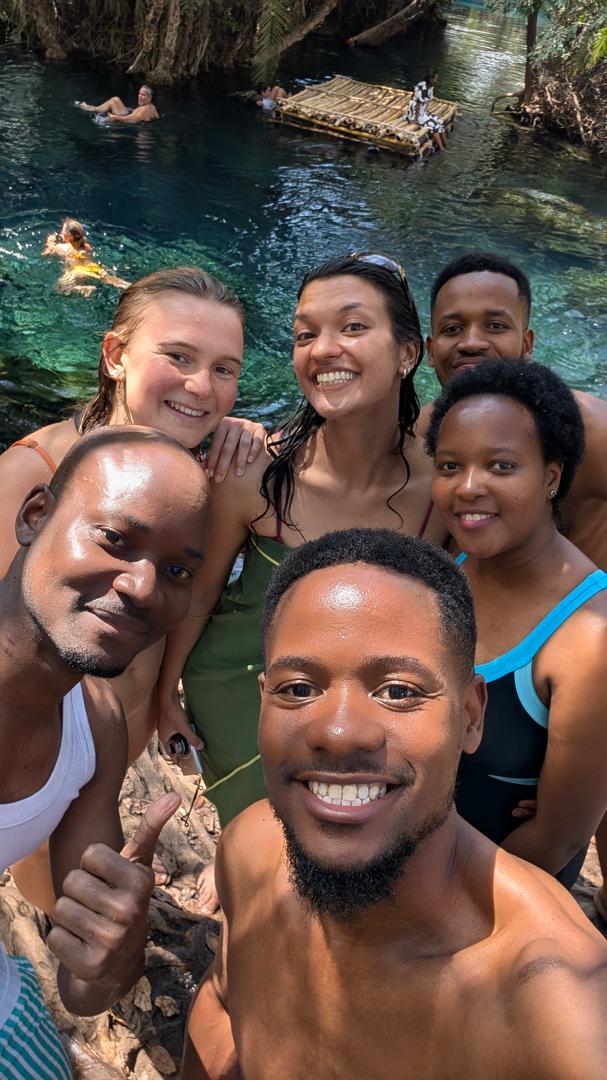
These activities reminded us that exchanging experiences does not only happen in hospitals, offices or meetings. Sometimes, ordinary conversations, walks and shared activities build the understanding and relationships that make a learning experience all the more special.
Green Day: Reflecting on the journey and the memories we made
Our last day featured a special Green Day activity, which gave us the chance to walk together, talk and exchange experiences in a peaceful setting.
After the walk, we shared lunch and played card games. It was a chance to enjoy our time together and strengthen the friendships that had been built over the course of the visit.
Each of us had the opportunity to share what had touched us most that week and to reflect on the memories we had made together. Through these conversations, we came to recognize how our experiences differed from and complemented one another, from learning about the health system to taking part in community services and enjoying the hospitality of our hosts.
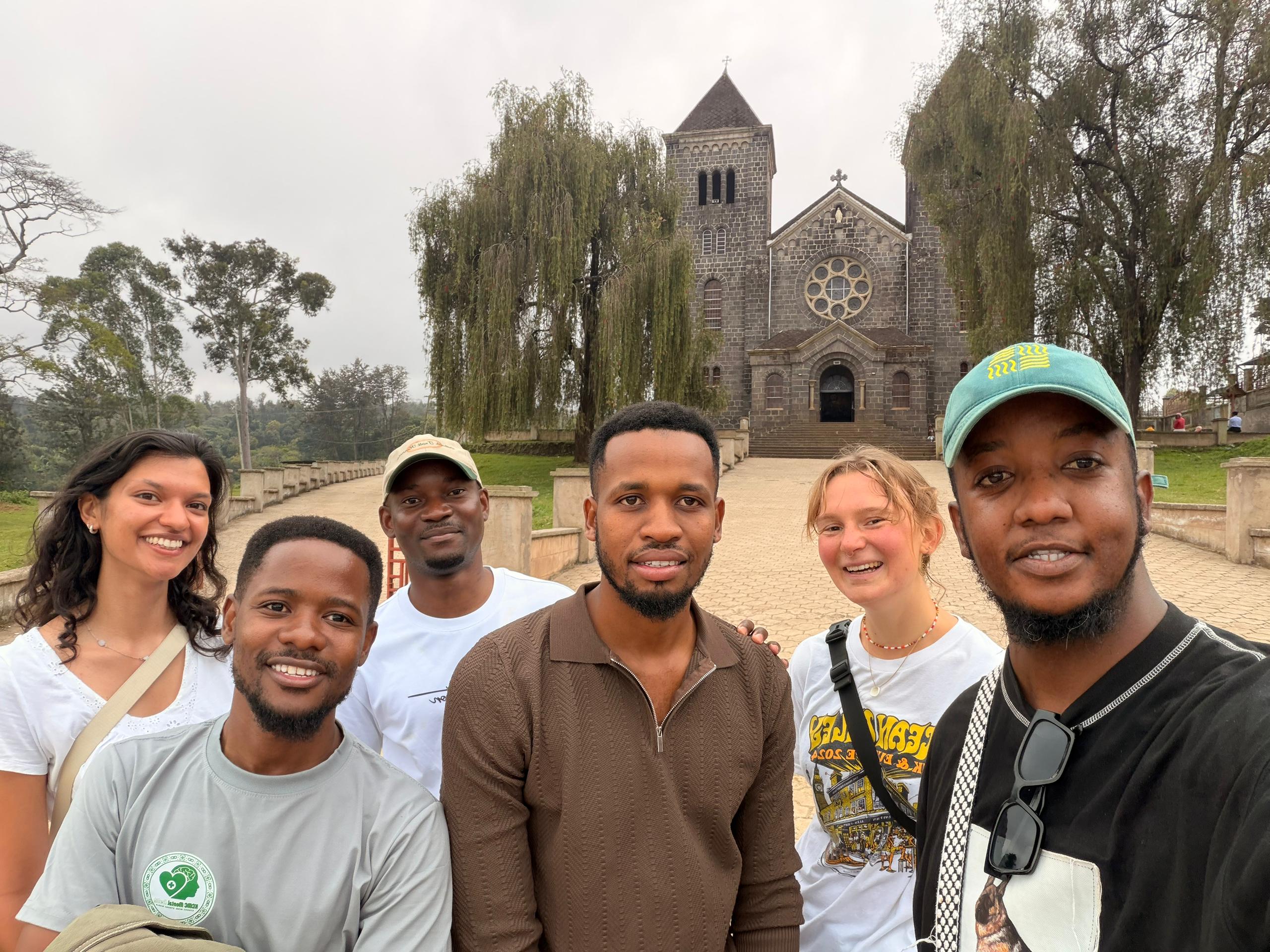
After these activities, the time came to say goodbye. Kelvin accompanied us to the bus station for our journey to Mafinga. It was not easy to say goodbye after a week full of experiences and good relationships, but we were left with gratitude for the time we spent together, and the hospitality shown to us by the GreenVit Health team.
Memories and knowledge that will stay with us
Our week in Moshi was a learning journey in many ways. We had the opportunity to learn more about Tanzania's health system, see how services are delivered at different levels, take part in community health activities and understand the importance of prevention, early detection and health education.
Beyond the academic knowledge, we left with memories of collaboration, friendship and hospitality. We value the opportunity we were given to learn alongside the GreenVit Health team, and we hope this experience will be the foundation for future relationships and further opportunities to exchange knowledge.
Moshi received us as guests, but for the time we were there, we felt part of the team. And when we left, we did not leave with memories alone, but also with a broader understanding of what it means to connect medical knowledge with the real needs of the community.